The 10x Solopreneur: Why 2026 is the Year of the One-Person Company (OPC)
Aug 01, 2026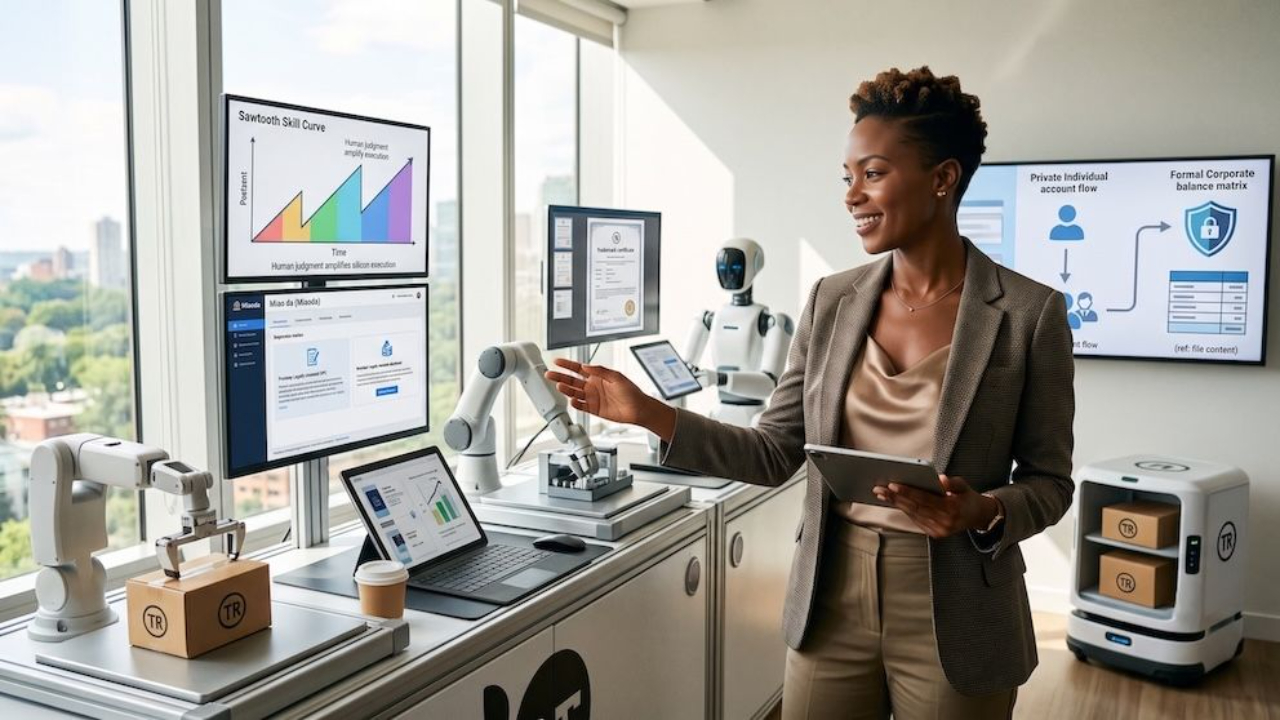
By Garbo Tian
The dream of a "single-person unicorn" valued at $1 billion is no longer confined to speculative tech panels. In 2026, the traditional corporate blueprint—which equated business growth with massive physical headcounts—has officially been rewritten. Fueled by the democratization of advanced foundation models and autonomous programming environments, individual capacity has been amplified tenfold through the fusion of human judgment and scalable silicon.
This movement is legally and structurally anchored in the One-Person Company (OPC). An OPC is a formal limited liability structure that protects a single natural person or entity while scaling operations. It is not a lifestyle "compromise" for freelancers; it is the ultimate vehicle to transform personal expertise into a highly tradeable, secure, and permanent digital asset.
💡 Core Strategic Takeaway: Solo Freelancing vs. The Formal OPC
- The Trap of Informal Structures: Operating as an unregistered side-hustler or individual merchant leaves you exposed to unlimited liability, where personal bank accounts are directly tied to business risk.
- The Protection of the Shield: A formal OPC restricts your personal financial risk strictly to your initial capital investment, opening access to institutional seed check funding, corporate invoicing, and permanent corporate life.
1. The Strategic Anatomy of "Liquid Capability"
Historically, a single individual was limited by their deep functional weaknesses. An engineer who could not compose ad copy or an operational specialist who could not develop software quickly hit a ceiling. In the AI-driven OPC paradigm, the marginal cost of acquiring a skill has collapsed to near zero, giving rise to Ability Liquefaction.
Instead of maintaining a flat, limited skill set, modern founders operate on a "Sawtooth" Skill Curve. They use highly advanced digital assistants to automatically elevate their weaker skills well above the standard market delivery line. With execution entirely delegated to specialized workflows, the founder's value depends on two non-replaceable strategic levers:
| Strategic Lever | Core Definition & Commercial Impact |
|---|---|
| The Power of Inquiry (Strategic Prompting) |
This is the capacity to precisely deconstruct a vague commercial vision into targeted directives, constraints, and structured data blocks that an autonomous agent can cleanly act upon. |
| The Power of Taste (Aesthetic & System Judgment) |
When an automation stack produces dozens of iterations in seconds, the founder must possess the domain experience and logic to pick the best variation. Taste represents values and consistency—and it remains the ultimate human gatekeeper. |
2. Action Checklist: Transitioning from Side-Hustle to OPC
If your monthly revenue has begun to stabilize, if corporate clients are requesting formal public contracts, or if you are ready to remove yourself as the operational bottleneck, take these actions:
- Audit Your Stated Capital: Establish a formal corporate identity (via local direct portals or global systems like Stripe Atlas) to completely isolate personal wealth before scaling operations.
- Establish a Clean Balance Matrix: Never let incoming business revenue pass through a private individual bank account; maintain strict separation from day one.
- Secure Your Early Brand Rights: Register domains, fundamental software assets, and brand trademarks early. Protecting your digital assets at the start eliminates costly structural legal issues later.
❓ Frequently Asked Questions
Q: What is the main difference between a freelancer and a One-Person Company (OPC)?
A: A freelancer operates as an individual merchant with unlimited personal liability. A formal OPC is a registered limited liability entity that isolates personal wealth from business risk, allowing for corporate invoicing and institutional scalability.
Q: What does "Ability Liquefaction" mean for solo founders?
A: Ability Liquefaction refers to the collapse of the marginal cost of acquiring new skills. Through AI automation, solo founders can instantly elevate their weak points (e.g., coding or copywriting) above market standards, relying on their "Sawtooth" skill curve to execute comprehensive business loops.
🎓 Deepen Your Strategic Mastery
Ready to stop operating as a vulnerable freelancer and build a formalized digital enterprise? In the SOLOMOAT Mini MBAs, we decode the precise AI toolchains, legal structuring frameworks, and strategic leverage you need to build a highly profitable One-Person Company.