The 2026 Startup Revolution: How AI-Powered OPCs Are Democratizing Entrepreneurship
Jul 29, 2026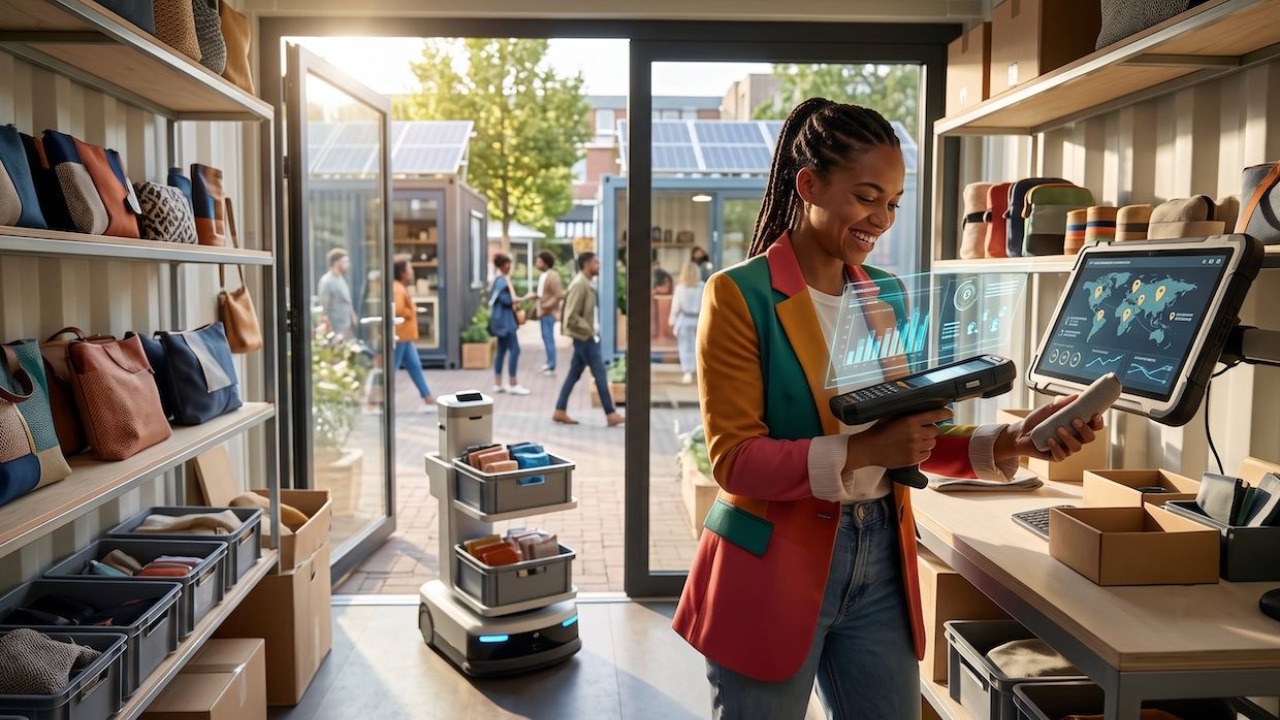
By Garbo Tian
In 2026, the traditional entrepreneurial landscape—defined by massive capital, office leases, and large-scale team management—is being upended by the rise of the One-Person Company (OPC). This model is no longer just a digital trend; it is a sophisticated, legally structured, and policy-supported paradigm that allows individuals to build comprehensive business loops independently.
💡 Quick Takeaways: Why the OPC Model is the New Startup Standard
- What is an OPC? Unlike a traditional sole proprietorship, an OPC is an independent legal entity that offers limited liability protection, allowing entrepreneurs to separate personal assets from business risks.
- The Role of AI: AI tools now automate up to 80% of standardized business functions—including copywriting, data analysis, and financial accounting—enabling a single founder to focus exclusively on high-value decision-making.
- Low Entry Barrier: With AI infrastructure, launching a cross-border e-commerce or content-based OPC now requires only minimal upfront investment, often just a few thousand yuan.
1. Why OPC Outperforms Traditional Self-Employment
Many people confuse "One-Person Companies" with traditional self-employment (sole proprietorships). However, the legal and structural advantages of an OPC are substantial:
| Advantage Area | The OPC Edge |
|---|---|
| Risk Isolation | Because an OPC is a legal entity, the founder's personal property (homes, savings) is protected under limited liability. In contrast, sole proprietorships often carry unlimited joint liability. |
| Corporate Capability | OPCs can issue official tax invoices, bid on enterprise projects, and enter platforms that require corporate verification, making them far more credible for high-value B2B contracts. |
| Tax Efficiency | In high-profit margin sectors, OPCs can benefit from preferential small business income tax rates, often resulting in a lower overall tax burden compared to individual business registration. |
2. AI: The Engine Driving the OPC Explosion
The surge in OPC adoption in 2026 is powered by the integration of AI across every facet of business operations. Founders can now automate:
- Marketing & Content: Automated copywriting and social media distribution.
- Operations: AI-driven product selection and smart customer service.
- Back-Office: Automated accounting and financial reconciliation.
This transformation allows solo founders to run cross-border e-commerce stores, creative content IPs, and technical development projects without ever needing a physical office or a single full-time employee.
3. Compliance and Risk Management: The "Golden Rules"
While the OPC model lowers barriers, it introduces new compliance responsibilities. To protect your business and your personal assets, you must adhere to the following:
- Strict Asset Separation: You must keep business and personal bank accounts strictly separate. Personal and business funds should never be commingled to ensure your limited liability protection remains legally intact.
- Annual Audits: Regulatory standards for OPCs often require an annual financial audit to maintain corporate transparency.
- Financial Planning: While you should register your OPC with the necessary capital, do not artificially inflate your registered capital beyond what you can reasonably pay in, as this creates unnecessary future financial pressure under the "five-year paid-in" rule.
4. How to Enter the OPC Market in 2026
The 2026 landscape is optimized for those who use AI to bridge the gap between their unique expertise and market needs.
- Select Your Track: The most successful OPCs currently operate in Cross-Border E-commerce, Content IP, Independent Design, and Technical Development.
- Focus on Value: AI automates the execution, but the judgment—market strategy, pricing, and client negotiation—must remain your core human contribution.
- Start Lean: Leverage the light-asset nature of the OPC. Start with a single laptop, choose one of the four established tracks, and use AI to build your first profitable business loop before considering scaling.
Closing Thought
The OPC model is redefining the boundaries of individual commercial capacity in 2026. By combining the legal protection of a corporation with the agility of a single founder and the power of AI, you can build a resilient, profitable, and independent career. Don't just be an employee; become an enterprise.
❓ Frequently Asked Questions
Q: Why shouldn't I just register as a traditional sole proprietor?
A: A traditional sole proprietorship carries unlimited joint liability, meaning your personal assets (like your house or savings) are at risk if the business fails. An OPC is a legal entity that provides limited liability protection, isolating your personal assets from business risks.
Q: How does the "five-year paid-in" rule affect OPC founders?
A: It means you must actually pay in your registered capital within five years. Therefore, founders should accurately assess their financial capacity and avoid inflating their registered capital just for appearances, which can create severe financial and legal pressure down the line.
🎓 Deepen Your Strategic Mastery
Ready to stop being an employee and become your own enterprise? In the SOLOMOAT Mini MBAs, we break down the precise legal frameworks, AI toolchains, and market entry strategies you need to launch a highly profitable, fully compliant One-Person Company.