The AI-Powered One-Person Company (OPC): 4 High-Leverage Tracks for Solo Founders
Jul 26, 2026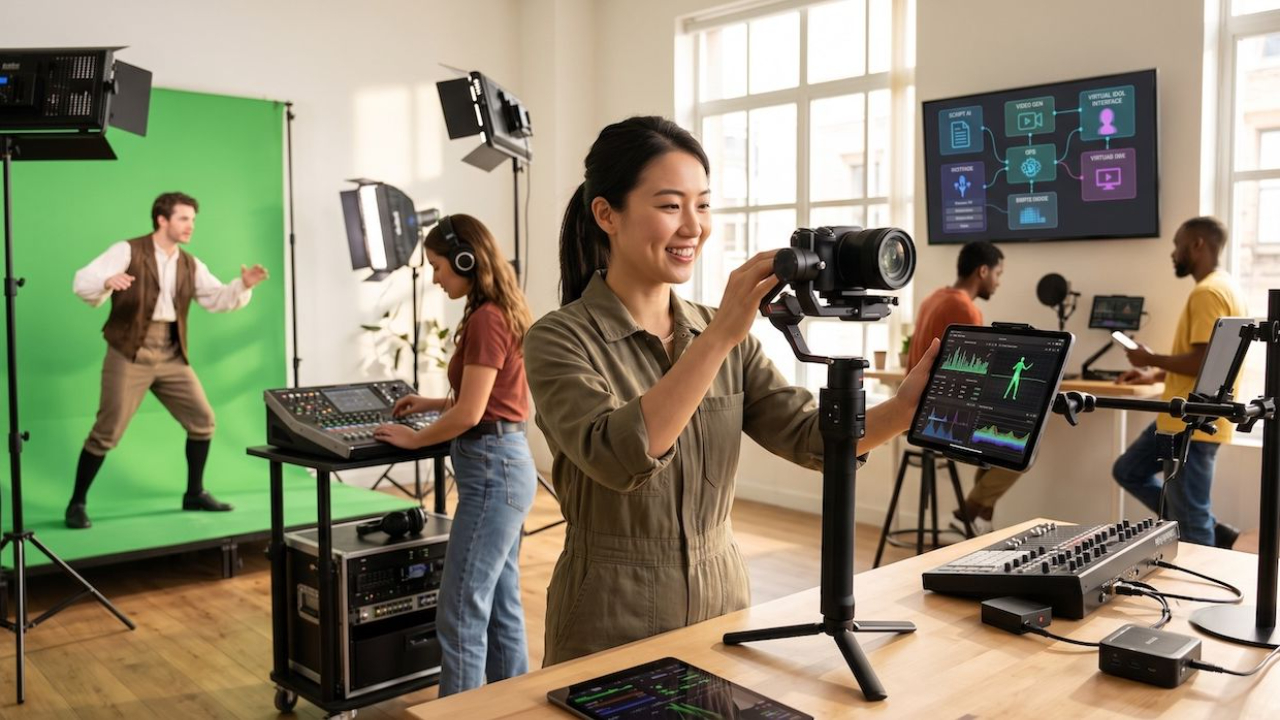
By Garbo Tian
In 2026, the concept of a "One-Person Company" (OPC) has evolved from a futuristic ambition into a practical business reality. Powered by Large Language Models (LLMs), AI Agents, and low-code infrastructure, solo founders are now building agile, highly profitable enterprises without the traditional burdens of office space, massive funding, or large teams.
💡 Quick Takeaways: The Rise of the Solo "Super Individual"
- What is the root cause? AI has commoditized execution, allowing a single founder to act as their own content factory, coding lead, and marketing department.
- How to succeed? Focus on "light-asset" entrepreneurship. Use AI to automate 70-90% of routine work, and reserve your human energy for high-level strategy, taste, and user-centric decision-making.
1. Top 4 High-Leverage Tracks for OPCs
Based on market trends and the current technological landscape, these four tracks are particularly well-suited for solo operations:
| Business Track | Strategic Focus & Value Proposition |
|---|---|
| AI Tools & Digital Services | Developers and product managers can focus on creating lightweight AI tools or providing automation-integration services, effectively becoming the "production tool" providers for other enterprises. |
| Digital Content Factories | Using generative AI to produce micro-dramas, digital art, or mini-games. For instance, solo creators are now producing 80+ minute micro-dramas for as little as 10,000 RMB, handling all roles from screenwriting to post-production through AI. |
| Specialized Professional Services | As the OPC ecosystem grows, demand has surged for tailored accounting, legal, and IP consulting that understands the unique needs of solo entrepreneurs. |
| AI Skill Training & Coaching | Because "AI + OPC" requires a complex combination of tool mastery and commercial logic, experts who can teach others how to grow into "super individuals" are in high demand. |
2. Real-World Case Studies: How to Build with AI Leverage
Success in the OPC model isn't just about selecting a track; it's about intelligent resource integration.
- Content Production: Solo creators are now leveraging AI tools to generate thousands of assets per project, reducing the need for traditional film crews and external editors.
- Virtual Agency Models: Individual creators are launching virtual idols by combining AI-generated imagery (Midjourney/Stable Diffusion) with voice cloning (DiffSinger) and music synthesis (Soundful/ByteDance AI), turning a "niche" professional field into an accessible, single-founder business.
- AI-Enabled E-commerce: Solo operators are using AI to manage multiple storefronts simultaneously. By automating copywriting, model replacements, and multi-language video localization, they are achieving global reach and massive GMV growth with minimal headcount.
- Lightweight App Development: Entrepreneurs with zero traditional coding experience are building successful applications (such as utility apps for photo editing) using AI coding assistants (e.g., Cursor) to complete initial development in as little as an hour.
3. Success Pillars: From Tools to "Virtual Teams"
The core philosophy of a modern OPC is treating AI as a "management layer" rather than just a task-based tool.
- Building an AI Chassis: Utilize open-source AI gateways to manage your company’s backend, including accounting, compliance, and automated scheduling.
- The "Zero-to-One" Workflow: Don't focus on training your own foundation models. Instead, focus on discovering real, specific user pain points and using ready-made AI tools to solve them instantly.
- Iterate via User Feedback: The trap of "perfect products" is lethal to OPCs. Launch small features, analyze user feedback (NPS, pain points, willingness to pay), and iterate your product version every month.
Action Checklist: How to Start Your OPC
If you are ready to move from idea to market, follow this path:
- Select Your Track: Identify a specific, "painful," and persistent user need where your domain expertise allows you to offer more value than a generic AI tool.
- Standardize Your AI Workflow: Use AI to handle the 80% of repetitive, non-creative work, focusing your human energy on the 20% of high-value creative decision-making.
- Validate via Revenue: Do not treat your idea as a project until you have found someone willing to pay for it. Sell a "result-oriented service" first—like consulting or customized solutions—to understand the market before building standardized products.
- Embrace the "Super Individual" Era: In 2026, the gap between "using AI" and "not using AI" is already widening. Focus on becoming a founder who understands how to orchestrate AI into a cohesive business system.
Closing Thought
The era of "One-Person Companies" is no longer about lonely labor—it is about the power of the "super individual" to build a lean, sustainable business by orchestrating AI as their core workforce. Stop waiting for perfect conditions; identify a real problem and solve it with AI today.
❓ Frequently Asked Questions
Q: Do I need to be a programmer to start an AI Tools or App business in 2026?
A: Absolutely not. The rise of AI coding assistants like Cursor allows founders with zero traditional coding experience to build and deploy successful applications rapidly. Domain expertise and understanding user pain points are far more critical than raw coding skills.
Q: What is the most common mistake solo founders make?
A: Falling into the trap of "perfect products." Solo founders often spend months building in isolation instead of validating via revenue early on. Always sell a result-oriented service first to validate demand before investing heavily in standardized product development.
🎓 Deepen Your Strategic Mastery
Ready to transition from an employee to a "Super Individual"? In the SOLOMOAT Mini MBAs, we decode the precise AI toolchains, operational frameworks, and strategic models required to build a highly profitable One-Person Company.