The 2026 AI Talent Landscape: Navigating China's Shift from Experimentation to Production
Aug 04, 2026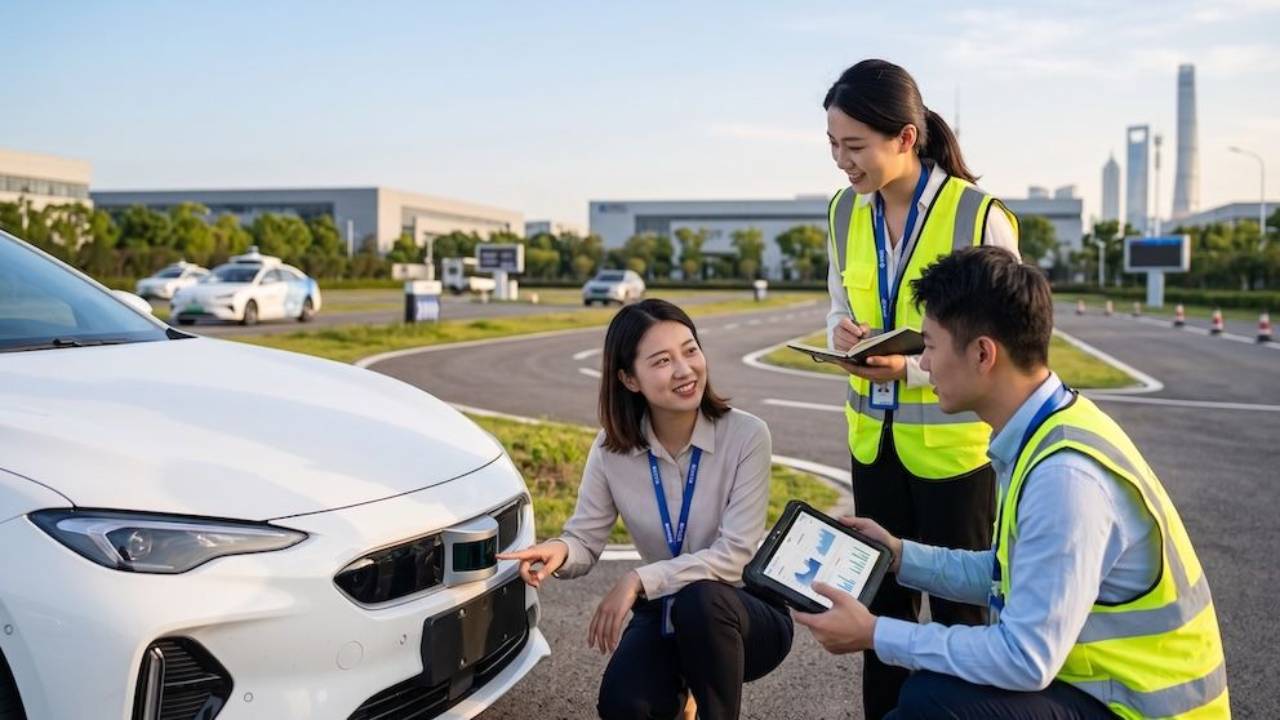
By Garbo Tian
💡 Core Strategic Takeaway
China's AI hiring market is shifting from broad model experimentation toward production deployment, creating stronger demand for hybrid professionals who combine technical depth with industry expertise.
The global workforce is standing at the edge of a massive structural transformation. According to the World Economic Forum's 2025 Future of Jobs Report, an estimated 92 million jobs worldwide are expected to be displaced or significantly automated between 2025 and 2030, while 170 million new roles will be created. Furthermore, Goldman Sachs predicts that 2026 marks the critical year when Artificial Intelligence (AI) transitions from a mere productivity enhancement tool into a force that directly replaces certain types of workers.
In Mainland China, this global shift is accelerating at an unprecedented pace. Supported by the government's "AI Plus" initiative, China's AI landscape is moving rapidly from generalized experimentation into highly specific industrial deployment.
💡 The Scale of Adoption
By December 2025, the nationwide adoption rate of generative AI in China had reached 42.8%.
The technology now actively engages 602 million users, highlighting its rapid integration into daily life and production scenarios.
The Three Pillars of China's AI Hiring Boom
Rather than being defined by a single vertical, the Chinese AI talent market is shaped by a unique combination of advanced computing, autonomous systems, and industrial upgrading. Enterprise hiring demand is exceptionally strong across three specific domains:
Internet Platforms & AI Ecosystems: With over 1,500 large models released in China by July 2025, technology companies are aggressively expanding their teams. The focus has shifted toward large language models (LLMs), recommendation algorithms, and robust AI infrastructure.
Intelligent Manufacturing: As China deepens its smart manufacturing agenda, manufacturers are accelerating investments in computer vision and robotics. The nation now operates nearly 10,000 digitalized workshops and intelligent factories, a figure that includes over 400 national-level benchmark facilities.
Automotive & Autonomous Systems: Producing over 12 million new energy vehicles (NEVs) annually, the Chinese automotive ecosystem is generating sustained demand for AI talent specializing in autonomous driving, edge computing, and smart cockpit development.
The Rise of the "Hybrid" Professional
As the market matures, the competition for talent is becoming highly selective. Employers are no longer simply looking for baseline coding skills; they are prioritizing candidates who can deliver practical business outcomes within complex data environments.
Crucially, companies are facing a "Hybrid Talent Gap". The market increasingly values hybrid professionals who can seamlessly combine deep machine learning capabilities with specialized domain expertise in areas like manufacturing, automotive mobility, or large-scale digital product development.
❓ Frequently Asked Questions
Q: What is changing in China's AI talent market?
A: Hiring is moving from generalized experimentation toward specialized roles that deploy AI inside real industries and production systems.
Q: Which sectors are driving demand?
A: Internet platforms, industrial manufacturing, smart factories, electric vehicles, and autonomous systems are major hiring engines.
Q: What is a hybrid AI professional?
A: A hybrid professional combines deep technical capabilities with practical domain knowledge in areas such as manufacturing, mobility, or large-scale deployment.
🎓 Build Your AI-Native One-Person Company
Explore SOLOMOAT Mini-MBA masterclasses for deeper frameworks on China, AI automation, business systems, and global growth.