The Rise of the One-Person Company (OPC): 4 AI-Powered Tracks for Solo Success
Jul 25, 2026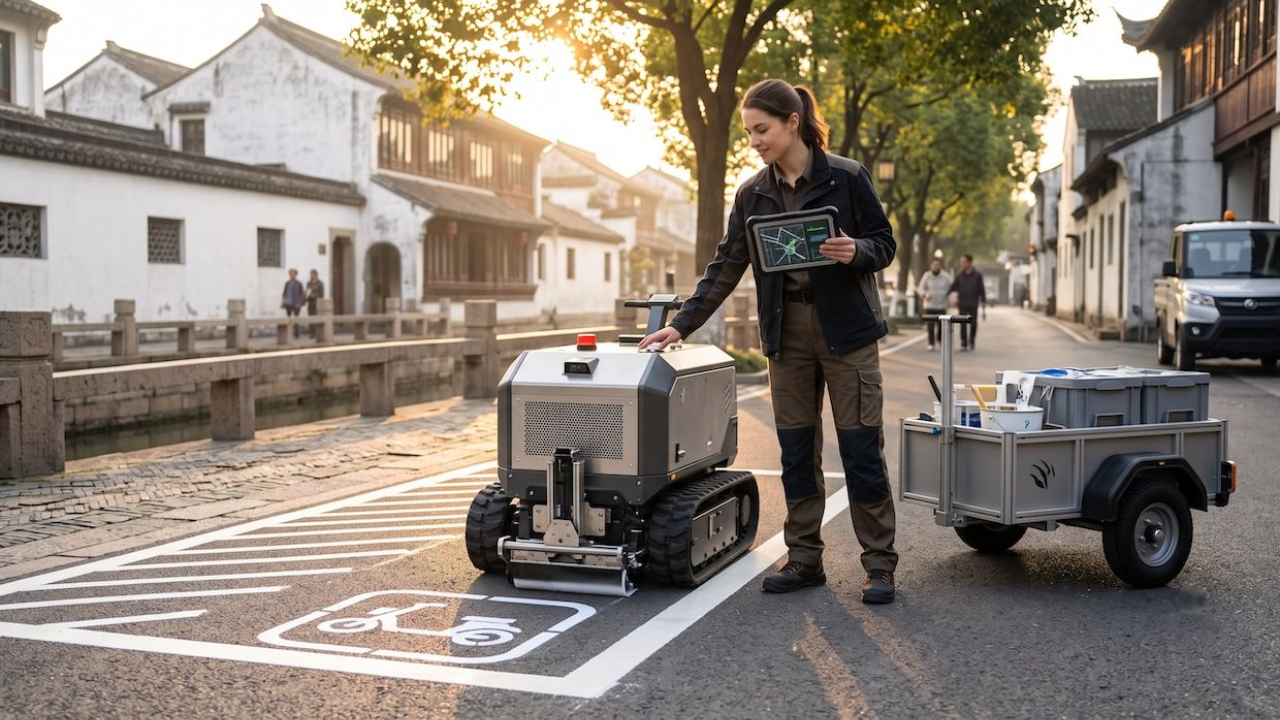
By Garbo Tian
In the age of AI, the "One-Person Company" (OPC) is no longer a futuristic dream but a tangible business reality. From hard-tech manufacturing to digital content creation, "super-individuals" are proving that a single founder with a computer and AI tools can disrupt entire markets.
💡 Quick Takeaways: Why the OPC Model is Winning
- What is the root cause? AI has democratized production, allowing individuals to perform complex tasks—coding, design, and operations—that previously required a full team.
- How to succeed? Focus on high-leverage sectors where AI provides a "super-execution layer," and leverage community ecosystems to access shared infrastructure and business scenarios.
1. Top 4 Business Tracks for OPC Founders
Choosing the right sector is the first step toward building a sustainable OPC. Based on current market trends and AI-empowered capabilities, four tracks are exceptionally well-suited for solo operations.
| Business Track | Strategic Focus | Target Audience |
|---|---|---|
| AI-Powered Tools & Digital Services | The "picks and shovels" of the AI era. Focus on developing lightweight tools for design, coding, or data analysis, or provide infrastructure support like compute resources and digital asset trading. | Tech developers, product managers, and AI enthusiasts. |
| Digital Content & Lightweight Products | Leveraging generative AI to output micro-short dramas, digital art, mini-programs, or lightweight software aligned with demand for personalized, snackable digital experiences. | Content creators, designers, screenwriters, and developers. |
| Professional Support Services | Offering tailored, "founder-friendly" outsourcing services (accounting, law, or intellectual property) that traditional firms fail to provide for the growing number of OPCs. | Accountants, lawyers, IP consultants, and business coaches. |
| AI Skill Training & Coaching | Meeting the massive demand for AI-driven professional education and startup coaching to help founders navigate AI tools, operations, and compliance. | Educators, industry experts, and professional trainers. |
2. Real-World Success: From Idea to Execution
The OPC model is already generating significant commercial results. Consider these examples of solo founders solving industry-specific pain points:
- Hard-Tech & Medical: A founder successfully delivered a wire-bending robot for dental braces, solving complex manufacturing bottlenecks that were previously considered impossible for a single individual.
- AI-Infused Industry Solutions: One entrepreneur in Suzhou developed an automated road-marking printer, simplifying traditional construction and proving that AI/hardware integration is a viable solo path.
- Content Ecosystems: A 90s-born founder operates a podcast channel with over 80,000 followers as a one-person company, successfully building an entire value chain from content output to knowledge monetization.
- AI Management Systems: Developers are using open-source gateways (like OpenClaw) to build "virtual management teams" that handle their accounting, compliance, and server operations autonomously, effectively acting as their own executive management team.
3. The "Success Multiplier": How to Leverage Resources
Success in the OPC model isn't just about picking a track; it’s about strategically utilizing external leverage.
- Build a "Virtual Team": Don't try to replace yourself; use AI Agents to handle repetitive, 7x24-hour tasks like financial monitoring, compliance tracking, and server maintenance. AI allows you to focus strictly on innovation and core business strategy.
- Join an OPC Ecosystem: Many cities are now launching dedicated OPC communities that provide not just physical space, but inclusive (普惠) compute power, real-world business scenarios, investment connections, and policy support. "Clustering" with other founders is the most effective way to stay updated and avoid isolated development traps.
Final Thoughts: Start Your Journey
Running an OPC isn't about doing everything yourself; it is about using AI to lead a business that is lean, agile, and sustainable. If you have professional skills in a specific niche or access to a target customer base, you are already halfway there.
Start with a weekend project: build a Minimum Viable Product (MVP) using AI tools, push it to platforms like Product Hunt or local forums, and see if you can get your first paid user. Don't wait for the perfect conditions—the best time to start is now.
❓ Frequently Asked Questions
Q: Can a solo founder realistically build hard-tech or hardware products?
A: Yes. With the democratization of AI and advanced manufacturing APIs, solo founders are already building complex solutions, such as dental wire-bending robots and automated road-marking printers, proving that hardware integration is no longer exclusive to large teams.
Q: How do One-Person Companies manage complex back-office tasks like compliance and server management?
A: By building a "Virtual Team." Founders are leveraging open-source tools and AI Agents to handle 24/7 repetitive tasks, allowing them to autonomously manage accounting, compliance, and server operations without hiring a traditional executive management team.
🎓 Deepen Your Strategic Mastery
Ready to select your track and build your Virtual Team? In the SOLOMOAT Mini MBAs, we break down the frameworks and AI agent workflows required to launch and scale a highly profitable One-Person Company.